A fireplace seems like a deluxe till the initial really cold night, when it becomes a lifeline. The trouble is, smokeshafts hardly ever fail in grand, staged means. They fall short progressively, silently, and usually right when you make a decision to light the very first fire of the season. I have actually been phoned call to homes where the family room still scented faintly of in 2015's holidays, and the house owner, excited for that initial blaze, obtained an area full of smoke rather. Or worse, a carbon monoxide alarm system that wouldn't stop. None of those homes looked obviously "dangerous" from the outside. The indication were there, however, and the majority of were very easy to find if you understood just how and when to look.
If you only call for Chimney Repair when bricks start falling, you are currently late. Winter months magnifies every weakness. Moisture entraped in your smokeshaft throughout a freeze can transform hairline fractures right into cracks in a matter of days. A loosened cap in October can become a bird hotel by December, then a flue clog by New Year's. The point isn't to panic. It's to focus on the signals your smokeshaft sends out before winter locks them in.
Below are ten warning signs that your smokeshaft desires aid. Some you can identify by yourself. Some need a flashlight and a little persistence. Others are worthy of a professional's eye. The earlier you capture them, the easier and cheaper the repair.
1. Consistent smoke spill or poor draft
If you open up the damper, establish your kindling, and still obtain smoke rolling right into the space, that is your chimney elevating its hand. Poor draft has a few usual perpetrators: a cool flue, a partially obstructed lining, a cap clogged with creosote, or a residence that is too limited for the fireplace to take a breath. I have seen new windows and spray foam turn a formerly great fire place into a smoke maker. The fire desires air, and if your home can not supply it, the smokeshaft backdrafts.
Simple checks help. Hold a lit suit or an incense stick near the damper prior to you begin a fire. If the smoke floats right into the area rather than up, you may need to pre-warm the flue with a rolled paper or a warm gun set reduced momentarily or two. If pre-warming only aids a little or not in all, something is obstructed or the flue dimension is mismatched to the firebox. A soot rack loaded with debris can decrease the cross-section simply enough to create problems. An evaluation and move generally restore correct draft. Otherwise, you may be checking out a liner sizing issue or a chimney that is as well brief about close-by rooflines, which in some cases calls for expanding the stack.
2. Creosote flakes, tar-like polish, or an acrid odor
Creosote is not a solitary uniform compound. It grows in stages. First it appears as a fluffy soot. Then it condenses right into a crispy, flaky layer that appears like black cornflakes. Finally, under low flue temperature levels and smoldering fires, it comes to be a hard, glassy glaze that virtually radiates. That glazed creosote is stubborn and frequently needs specific treatment, not simply a laid-back brush.
How do you recognize what you have? Look for dark, rainbowlike down payments on the damper throat and the initial number of feet of flue over it. If you can scratch the down payment with a screwdriver and it smears like tar, you are in Stage 3 region. If your living room smells like a railroad tie in moist weather condition, that is creosote off-gassing. Burn practices matter here. Soft, green, or damp timber advertises creosote. Short, hot fires with skilled wood develop less. But once a polish types, it is not going away on its own. Waiting up until winter season will certainly make it even worse and elevate the threat of a smokeshaft fire.
3. Efflorescence or damp masonry
White, fine-grained spots on the outside brick or block look cosmetic initially. They are salts seeping out as wetness evaporates through the stonework. Wetness is the real warning. If water is moving via the smokeshaft wall surfaces, the freeze-thaw cycle will certainly widen fractures and start popping faces off bricks by February. I have touched on chimneys that sounded hollow due to the fact that the block deals with had removed under the surface.
Look at the pile after a rainfall. If it stays dark longer than the remainder of the residence masonry, it is soaking up water, not dropping it. Examine the attic where the smokeshaft passes, as well. Moist discoloration on rafters or the chimney itself recommends blinking troubles or a compromised crown. Smokeshafts do not have to be waterproof like a boat, yet they ought to be water immune, dropped water at the crown, bridge roofing aircrafts with undamaged flashing, and be capped to keep the most awful out. Allowing the chimney act like a sponge is costly over time.
4. Spalling, crumbling mortar, or missing bricks
Masonry does not dissolve over night. It telegraphs distress. You could see flaked brick encounters on the ground near the chimney. You might rub a finger throughout the mortar joint and view it transform to sand. Sometimes you notice a rugged little gap that made use of to be a neat edge. These are classic indications that the mortar has shed its binding power, frequently from water seepage combined with winter months temperatures.
Repointing is the right action, not caulking. I have actually shed matter of chimneys covered with silicone that caught dampness behind the bead and aggravated the scenario. Correct Chimney Repair suggests grinding or raking out the stopping working joints to a suitable deepness, after that cramming in fresh mortar that matches the original in composition. Also hard a mortar can harm historical block. As well soft and it will not last a season. If blocks are really missing out on or significantly spalled, the mason ought to change them, not smear over the wound.
5. A cracked or missing crown
The crown is the sloped, typically concrete cap that covers the top training course of the chimney and sheds water away from the flue. A broken crown resembles a leaky roof over your smokeshaft's head. Hairline splits come to be fissures under freeze-thaw, and a level crown that pools water ends up being a bowl of trouble.
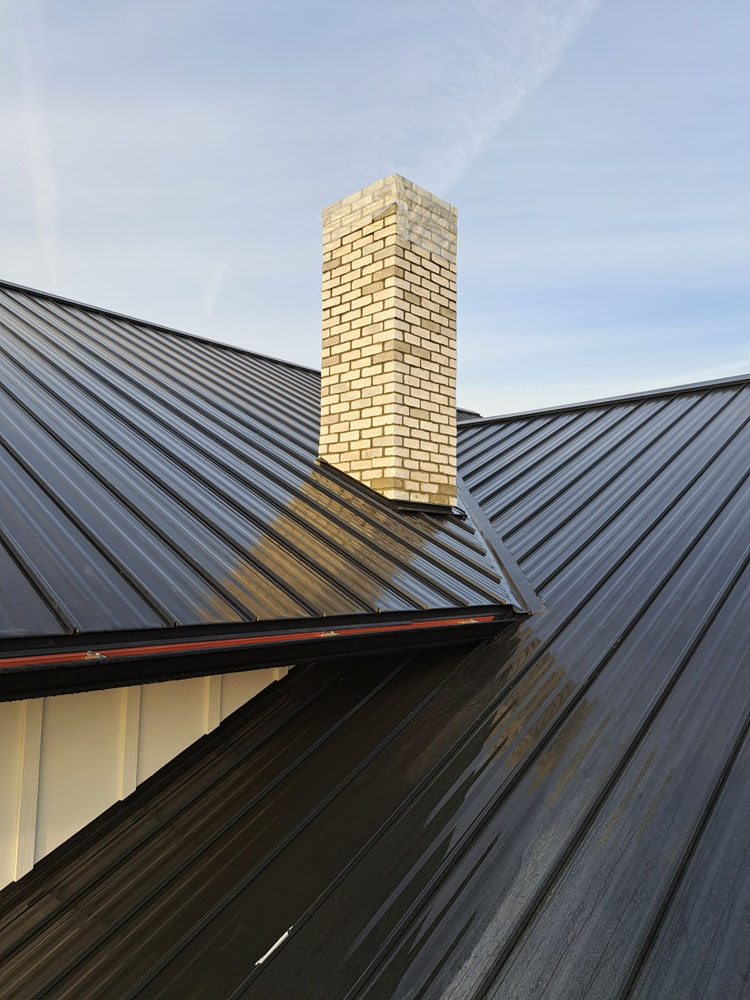
You can typically see this from the ground with field glasses. Look for visible cracks, open joints where the crown meets the brick, and a level profile where there should be an incline. Precast crowns occasionally fail at the sides. Poured-in-place crowns crack if they lack proper reinforcement or expansion joints. The solution ranges from securing small fractures with an elastomeric crown layer to entirely rebuilding the crown with a proper overhang and drip side. This is just one of the highest possible return preventative repair work you can do before winter.
6. A damaged or missing chimney cap
Caps shut out rain, pets, and floating coal. They also help prevent downdrafts. I have actually drawn from caps whatever from crunchy fallen leaves to an extremely inflamed squirrel's nest. A missing out on display or a dented lid is not just a cosmetic problem. Once a cap goes, rain has a straight shot down the flue. For metal liners and prefab fire places, that water can corrosion out essential parts. For stonework flues, it increases mortar washout and creosote sludge formation.
If your cap rocks when you tug it, or if the mesh is blocked with creosote, you are one great windstorm away from a wintertime problem. The fix is uncomplicated: an effectively sized, stainless steel cap with secure supports. On multi-flue smokeshafts, the cap should cover all flues with a continuous cover, enabling solution gain access to. A quick note on appearances: big custom caps can look cumbersome if they are not proportioned well, yet it is better to safeguard the system and cope with a slightly taller silhouette than to invite water.
7. Flashing that looks worn out, tarred, or patched
Where the chimney satisfies the roof covering, step flashing must interlace with roof shingles and tuck under counterflashing that is reglet-cut right into the stonework. If you see thick beads of black roof covering mastic smeared along that joint, you are taking a look at a short-term plaster. Tar dries, cracks, and leaks. Water finds that weakness, trips down the smokeshaft side behind drywall, and turns up as a mysterious stain on a ceiling 2 areas away.
This is one of those fixings that pays to do appropriately prior to snow tons show up. Correct counterflashing, typically sheet metal bent to shape and secured right into a cut joint, will in 2014. If your contractor or mason plans to simply smear on more goo, request a much better plan. As soon as snow piles up at that joint, it thaws gradually and can require water into the smallest openings. In January, that ends up being an ice dam with your chimney at the center.
8. A stopping working flue lining or noticeable cracks inside the flue
Many property owners think a smokeshaft's brick wall surfaces are the smoke path, but most safe chimneys have linings. Older homes might have clay tile linings with mortar joints between areas. Those joints can fracture or wash out. Some fireplaces were constructed without linings whatsoever, depending on the period and the region. Without an audio liner, warm gases Chimney Repair Contractor in Wilsonville and cinders can discover their way right into the surrounding structure, particularly where framing touches the smokeshaft chase.
You can occasionally find problem with a mirror and an intense light, but most problems hide higher up. Throughout level 2 inspections, we run a camera. I have actually seen ceramic tiles countered by half an inch, joints missing out on for a foot, and cracks you might fit a dime into. That is a tough quit for burning. Solutions vary. Light damage can be addressed with joint repair work systems that trowel a refractory covering into gaps. Much heavier damage frequently asks for a stainless-steel lining, sized for the appliance and protected. Conversion to gas does not eliminate the need for a sound liner. Gas generates dampness, and an unlined or extra-large flue will certainly sweat and corrode.
9. Rust spots, a crusty damper, or spots on the firebox
If the damper stands up to when you open it, or if you see reddish touches down the face of the firebox elements, water is obtaining where it must not. On factory-built fire places, the chase cover, which is a large sheet steel cover, can rust via at nadirs. On stonework fire places, rain goes into through a stopped working cap or crown, after that leaks and runs along the path of the very least resistance. You may see lime down payments on the back wall surface of the firebox or really feel a damp, mineral scent when you raise the ash dump.
Water is patient. It does not flood your living room. It engraves, discolorations, and makes steel stick. If you ignore it heading into winter months, biking freeze and thaw inches that harm onward. The short-term solution might be a cap substitute and resealing the crown. The longer solution could be reconstructing a rusty damper assembly or reframing the firebox if the block has endured softening from duplicated wetting. If you are seeing corrosion, presume more is happening where you can not see it.
10. The carbon monoxide alarm that chirps near the fireplace
This one finishes the argument. If your carbon monoxide gas detector wakes you up after a fire that seemed to burn great, stop making use of the fire place and call for aid. I have traced this back to everything from a stuck-open heater vent spilling right into the same flue, to a bird's nest lodged just over the smoke rack, to a badly undersized lining retrofitted for a high-efficiency insert.
CO incidents commonly coincide with tight houses, washroom fans running, range hoods pulling large volumes, and even the clothes dryer. Your house goes a little unfavorable, the smokeshaft can't conquer the pull, and burning local chimney repair gases curtail into the room. Winter season makes this worse since chilly air in the flue is heavier and stands up to the upward flow. A professional will test draft, check the flue course, and verify that shared flues or inadequate makeup air are not to blame. Do not bargain with this sign. It is a caution you are fortunate to get.
Why these signs intensify in winter
Cold temperature levels produce a plug in the smokeshaft, a column of dense air that your fire has to deal with. If the flue is currently rough with creosote or tightened by particles, the circulation loses rate and down payments even more. Wetness that would vaporize in October hangs around in December, after that ices up during the night. Every freeze adds a little jack to that hairline split. Snow and ice likewise pack the flashing joint for weeks, not hours. The internet effect is that a small summertime problem can be a major wintertime hazard.
There is also the use spike. A chimney that saw 5 fires last winter months might see twenty by the end of this December. That added warm and fast biking broaden fractures and test weak dampers. Caps that held penalty in a summertime wind may rattle loose in a January windstorm. If you have a gas log set, do not presume it "burns clean." The flame brings dampness, and the byproducts still require a secure path out.
How to take a smart very first look prior to calling
A cautious walkaround typically tells the tale. Set aside an hour on a completely dry day and bring a flashlight, a set of field glasses, and a notepad. Look up at the smokeshaft top from different angles. Attempt to see the crown, cap, and flue leaves. Scan the brick for white discoloration, dark damp spots, splits that bring across multiple training courses, or areas where mortar is recessed deeper than the remainder. Step back and contrast the chimney's height to neighboring roofing peaks. A very brief stack relative to an adjacent ridge can trigger persistent downdraft.
Inside, open up the damper and seek out from the firebox with your light. Keep in mind any type of flaky creosote dropping when you touch the throat gently with a screwdriver manage. Odor for creosote on damp days or right after a rainfall. Relocate to the attic and examine where the chimney passes the roofline. Spots on timber there commonly mean flashing issues. Record what you see. Pictures assist a pro promptly prioritize.
What an expert will likely recommend
Good chimney pros comply with nationwide requirements and customize their recommendations. The appropriate solution relies on your system kind, age, use, and goals. In broad strokes, anticipate one or more of the following ahead up:
- A level 2 examination with a flue electronic camera, especially if you have transformed home appliances, had a chimney fire, or are selling or purchasing a home. A detailed move to remove soot and flaky creosote, complied with by assessment for glazed down payments that could call for chemical therapy or mechanical removal. Masonry fixings such as repointing, crown rebuild, and waterproofing with vapor-permeable items, not repaint or trapped-moisture coatings. Cap and go after cover replacement, with stainless-steel parts sized to your flues, plus brand-new counterflashing where needed. Liner repair or replacement, with proper sizing and insulation, matched to the fire place or cooktop specifications.
Notice what is missing out on from this checklist: fast caulk smears, undersized caps, or guarantees that a flue "looks penalty from below" without electronic camera evidence. Chimney Repair done right commonly feels a bit careful. You desire that approach.
A quick story from the field
One November, I went to a century-old residence with a tall, narrow chimney. The house owner had taken pleasure in a small fire the evening in the past, after that awakened to a pale smoke smell hours later on. No visible smoke, simply that campfire-aftertaste. The cap looked okay from the ground. The damper really felt stiff but operable. Up top, the crown was hairline fractured, however not yet chunks. The genuine inform was inside the flue. At concerning 8 feet up, a clay tile had slid half an inch. Creosote flakes accumulated on the walk, and coal from a lively melt had actually lodged there and smoldered, sending odor pull back long after the fires went out.
It was not remarkable, yet it can have been. We brushed up the flue, supported the ceramic tile, and ultimately set up a stainless lining sized to the fireplace in addition to a new crown and cap. By mid-December, the family had secure fires and no more overnight smoke scent. Catching the slip early spared them from a winter months smokeshaft fire.
Fuel choices and burn routines that aid, not hurt
You can not fix your way out of negative burn practices. If you feed your fireplace wet wood, build smoldering log stacks, and choke the fire for long overnight burns, the chimney will mirror that. Skilled wood with a moisture material around 15 to 20 percent burns hotter and cleaner. A little, warm fire produces much less creosote than a large, lazy one. Keep the fireplace devices truthful, also. Grates that raise logs permit far better airflow. Ashes need to be removed to a modest bed, not allowed to build to the grate bars. If you make use of produced logs, comply with the manufacturer's instructions and adhere to one by one unless clearly allowed. Some chimneys do fine with them, others do not. Take notice of the smell and the draft when you switch gas types.
The price contour: why earlier is cheaper
Homeowners typically request a ballpark, after that apologize for "troubling" us in late loss. It is never ever a bother, yet I will be candid: a crown seal in October may cost a couple of hundred to reduced thousands depending upon size. A complete crown rebuild after winter months has actually expanded cracks and filled the top courses can increase that. Repointing a few joints is an afternoon. Rebuilding a deteriorated pile is a week. Stainless linings differ with elevation and diameter, yet a very early decision prevents the holiday problem when every installer is booked and weather home windows are tight. The same cash regulation that puts on roofings and rain gutters uses right here: water plus time amounts to bigger invoices.
When to quit utilizing the fireplace immediately
Most chimney issues let you intend a fixing. A couple of must halt usage instantly. If your CO alarm system turns on during or after a fire, time out till the system is examined. If you hear a roaring seem like a products train in the flue, that is likely a smokeshaft fire; telephone call emergency services and do not reopen the damper. If you see chunks of glazed creosote on the hearth after a tiny fire, that is a system obstructed sufficient to be harmful. If the damper is stuck partly closed and you can not release it conveniently, do not compel a fire. These are traffic signals, not yellow.
A simple pre-winter list you can do this week
- Schedule a smokeshaft assessment and sweep if you have not had one in the last 12 months or after any device changes. Look at the cap and crown with binoculars, checking for fractures, missing mesh, or wobble. Examine blinking lines on the roof for tar spots or spaces; note water stains in the attic room around the chimney. Open the damper and check the very first two feet of flue for half-cracked or glossy down payments; scent for creosote. Verify that smoke and carbon monoxide detectors near the fire place are mounted and have fresh batteries.
Final ideas from the hearth
A secure fire place really feels easy, which makes it easy to neglect that a smokeshaft is a working system, not a decorative column. The job it does is brutal, biking from cold to numerous degrees in minutes, after that back to cold with outdoors weather pressing in. It needs to handle stimulates, acids, snow, wind, and the periodic raccoon with realty ambitions. Give it a little interest before winter season, and it will pay you back in silent, dependable service.
Watch for smoke that remains in the space. Look for white discolorations on block, rust on dampers, and mortar that transforms to sand under your thumb. Keep caps solid, crowns sloped, and flashing cool. Burn tidy, completely dry wood and stand up to the temptation to smolder. When anything feels off, call a pro that deals with Chimney Repair as a craft, not a duty. The first fire of the period ought to bring comfort, not questions.